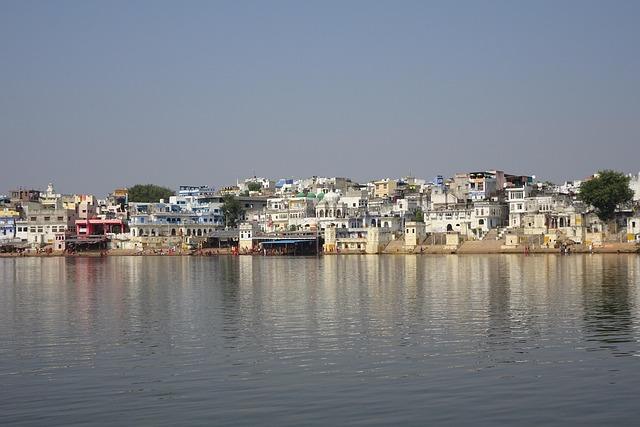
Nestled in the heart of Rajasthan, Pushkar is one of India’s most unique and spiritual destinations. Surrounded by the Aravalli Hills and built around the sacred Pushkar Lake, this small town is famous for its ancient temples, vibrant culture, colorful bazaars, camel fair, and spiritual aura. Known as one of the oldest cities in India, Pushkar is not just a pilgrimage site but also a cultural hotspot that attracts travelers from across the globe
Why Visit Pushkar?
Pushkar offers a rare blend of spirituality, culture, and adventure. Whether you are a devotee seeking blessings, a backpacker looking for vibrant vibes, or a traveler chasing Rajasthan’s charm, Pushkar promises an unforgettable experience.
Top Attractions in Pushkar
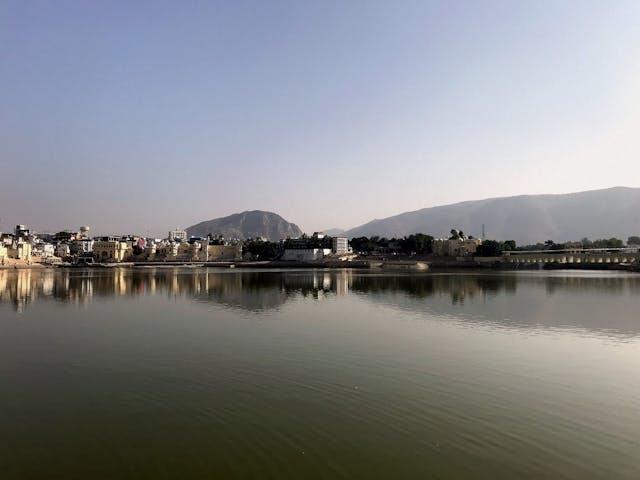
Pushkar Lake
- The heart of the town and a sacred site for Hindus.
- Surrounded by 52 ghats, where devotees perform rituals and evening aarti.
- Legend says the lake was formed by a lotus dropped by Lord Brahma.
- Don’t miss the sunset view by the ghats – it’s magical.
Brahma Temple
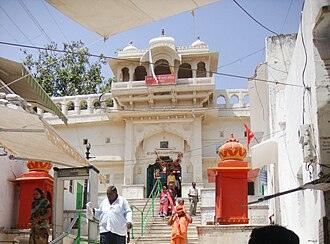
- One of the very few temples in the world dedicated to Lord Brahma.
- Built in the 14th century with striking architecture and marble steps.
- A must-visit spiritual landmark for both devotees and tourists.
Savitri Temple
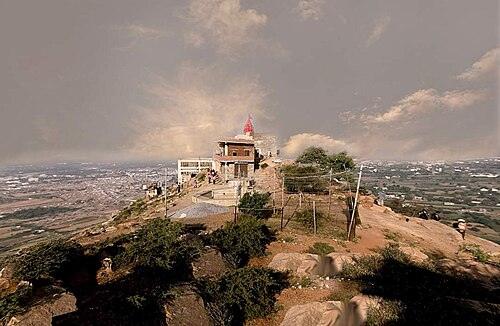
- Located on a hilltop with a panoramic view of Pushkar.
- Dedicated to Goddess Savitri, wife of Lord Brahma.
- A short trek or ropeway ride leads you to breathtaking sunrise and sunset views.
Varaha Temple
- One of Pushkar’s most important temples, dedicated to Varaha, the boar incarnation of Lord Vishnu.
- Its unique structure and mythological significance make it a popular stop.
Desert Safari & Camel Rides
Experience the golden sands of Rajasthan.
Camel rides, jeep safaris, and overnight camping give a taste of desert life.
Pushkar Camel Fair (Kartik Mela)
- Held every year in November (Kartik month).
- Famous for camel trading, folk performances, competitions, and vibrant markets.
- One of the world’s largest cattle fairs and a cultural extravaganza not to miss
Pushkar Bazaar
- A paradise for shoppers.
- Famous for Rajasthani handicrafts, silver jewelry, tie-dye clothes, leather goods, and spiritual items.
Great place to experience the local vibe.
History of Pushkar
Pushkar is one of the oldest towns in India, with roots that trace back to mythology and history. The town is deeply associated with Lord Brahma, the creator of the universe according to Hindu belief.
Mythological Origins
According to legend, Lord Brahma was in search of a place to perform a yajna (sacred ritual). When a lotus flower fell from his hand onto the earth, it landed in the valley of the Aravalli Hills, creating the Pushkar Lake. The name “Pushkar” itself comes from two Sanskrit words: Pushpa (flower) and Kar (hand). This is why the town is considered one of the most sacred places for Hindus.
The lake and its surroundings are believed to purify sins, and a dip in its holy waters is said to grant salvation. This makes Pushkar one of the five sacred dhams (pilgrimage sites) for Hindus, along with Badrinath, Puri, Rameswaram, and Dwarka.
Historical Significance
Pushkar has been mentioned in ancient texts like the Ramayana, Mahabharata, and the Puranas, highlighting its spiritual importance. Over centuries, Pushkar became a center for saints, sages, and pilgrims.
During the 14th century, Pushkar was attacked by Muslim invaders, leading to the destruction of many temples. However, the local Rajput rulers and devotees rebuilt them, preserving the town’s spiritual essence.
Colonial Era
In the 18th and 19th centuries, Pushkar gained recognition under British rule for its annual cattle fair, which later evolved into the famous Pushkar Camel Fair. What began as a trading event for camels and livestock is now one of the biggest cultural festivals in Rajasthan, drawing travelers from across the world.
Modern Pushkar
Today, Pushkar is known not only as a pilgrimage town but also as a vibrant cultural destination. Its temples, ghats, fairs, and desert charm attract both Indian devotees and international tourists. The town has also become popular among spiritual seekers, yoga practitioners, and backpackers looking for peace and culture.
Culture of Pushkar
Spiritual Vibes: Pushkar is considered a holy town; meat and alcohol are strictly prohibited.
Music & Arts: Streets echo with folk songs, traditional instruments, and spiritual chants.
Festivals: Apart from the Camel Fair, Pushkar celebrates Holi in a grand and colorful way that attracts international travelers.
Yoga & Wellness: Pushkar has many ashrams, yoga retreats, and Ayurvedic centers, making it a hub for seekers of peace and wellness.
Food in Pushkar
Pure vegetarian cuisine only.
Must-try dishes:
Malpua (sweet delicacy)
Dal Baati Churma
Lassi (sweet curd drink served in earthen cups)
Israeli and continental cafés (popular with foreign tourists).
Best Time to Visit Pushkar
October to March: Pleasant weather and festival season.
November: Perfect for experiencing the Camel Fair.
Summers (April–June) are very hot and best avoided.