"A city painted in pink, echoing with royal tales , Jaipur is where history meets vibrance."
Introduction
A city where every wall speaks of history, now turned modern. Most streets burst with colours of pink. Yes, that’s our legendary Pink City of India, Jaipur. Known for its brilliant architecture of royal palaces and bustling bazaars offering timeless traditions, it has made a name for itself for good reason.
It’s a gateway to Rajasthan’s tradition for tourists coming from all over the world.
Founded in 1727 by Maharaja Sawai Jai Singh II, Jaipur is one of the earliest planned cities, designed with precision and vision. An architectural jewel shaped by the raw hands of old master craftsmen, its grid layout and wide streets with 90-degree perpendicular angles reflect the thought of mathematics in old times. Today, this historic planning still stands strong, representing our culture, adding charm, and balancing heritage with modern life.
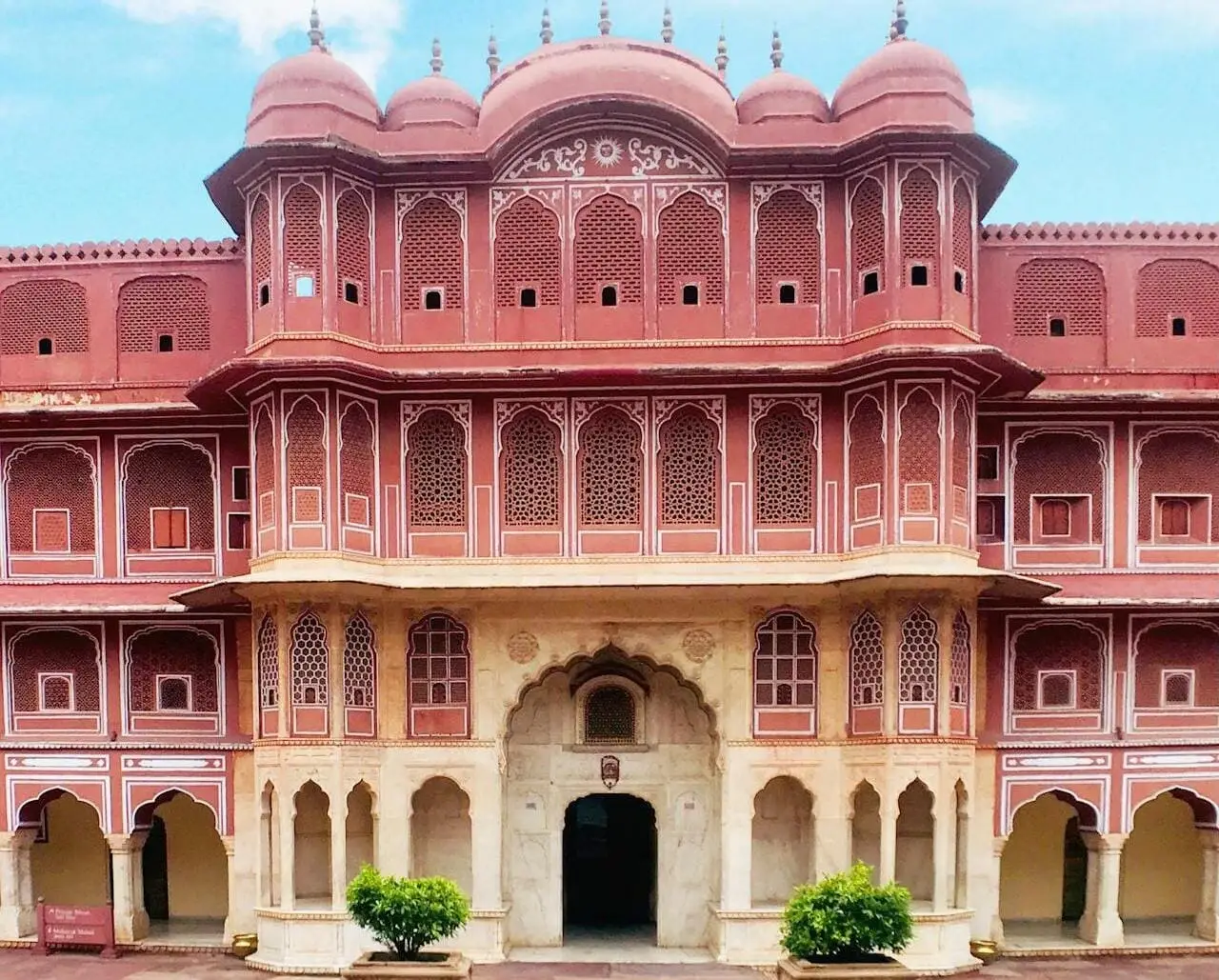
The title “Pink City” dates back to 1876, when the entire city was painted in a shade of terracotta pink to welcome the Prince of Wales (later King Edward VII). A shade of pink that symbolizes hospitality later became Jaipur’s permanent identity, and its pinkish hue still glows under the sun, reflecting the heritage of old times and enchanting visitors from around the globe.
But Jaipur is more than just walking on a pink street. It’s vibrant with a culture more colourful than any shade. It is celebrated for its traditional crafts, Rajputana architecture, folk music, and colourful festivals. Recognized by UNESCO as a World Heritage City, Jaipur proudly represents the soul of Rajasthan, full of art, life, and colours.
From magnificent forts to street-side kachoris, Jaipur offers people an experience that is both royal and down-to-earth. Let us step onto the pink alleys and uncover the true beauty of the Pink City, unravelling the answer to why you would never regret knowing Jaipur
4 Must-Visit Attractions in Jaipur for Every Traveler
Jaipur is a city where history speaks through every wall painted in rich culture. Its vibrant attractions make it one of the most visited places in India. From royal palaces to unique forts, here are the top four attractions every traveller should explore.
Hawa Mahal
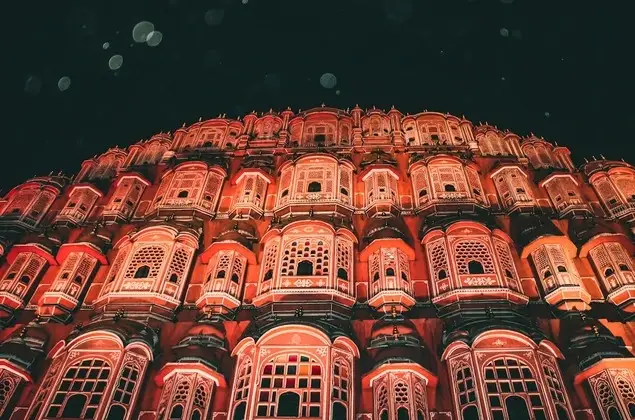
Hawa Mahal, or the Palace of Winds, is notable for its unique honeycomb structure, which contains 953 small windows. Built in 1799 by Maharaja Sawai Pratap Singh and designed by Lal Chand Ustad, it is constructed from red and pink sandstone. The intricate windows, called jharokhas, were originally intended to allow royal ladies to observe street life and festivals without being seen. Today, they have become a viewpoint for tourists to enjoy the uniqueness of Jaipur. Hawa Mahal remains a masterpiece and a must-visit landmark.
Amer Fort
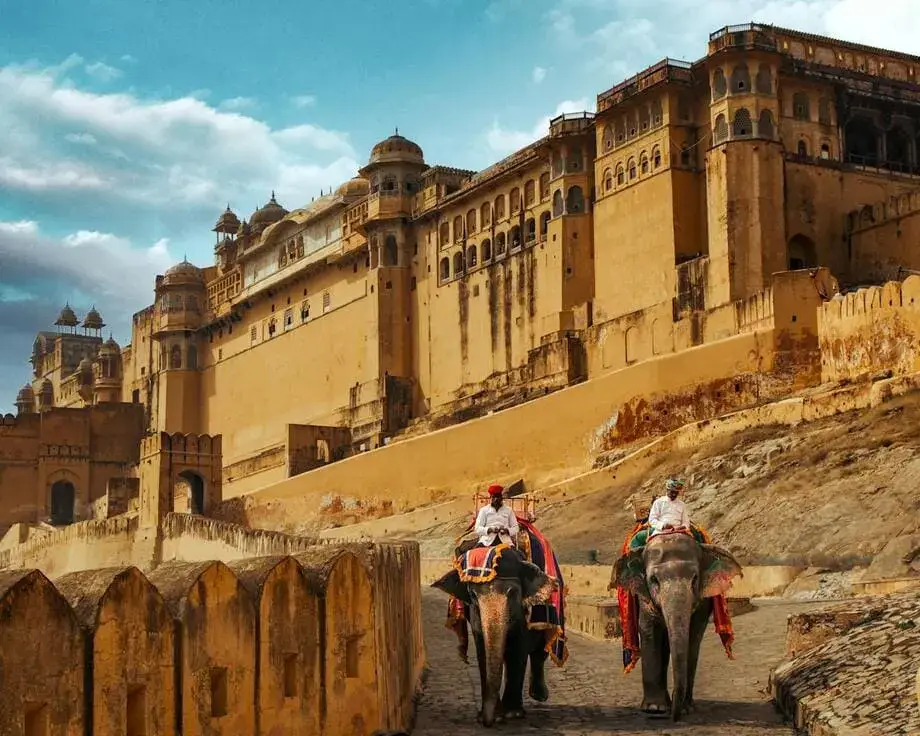
One of the most majestic forts of the Pink City, Amer Fort stands on a hilltop overlooking Maota Lake. Built with red sandstone and marble, it is famous for its grand courtyards, artistic gates, and the beautiful Sheesh Mahal (Mirror Palace). Tourists often enjoy an elephant ride up to the fort and the evening light-and-sound show that brings history alive. The fort truly lets you glimpse Rajasthan’s royal past with stunning views of the surrounding landscape.
City Palace
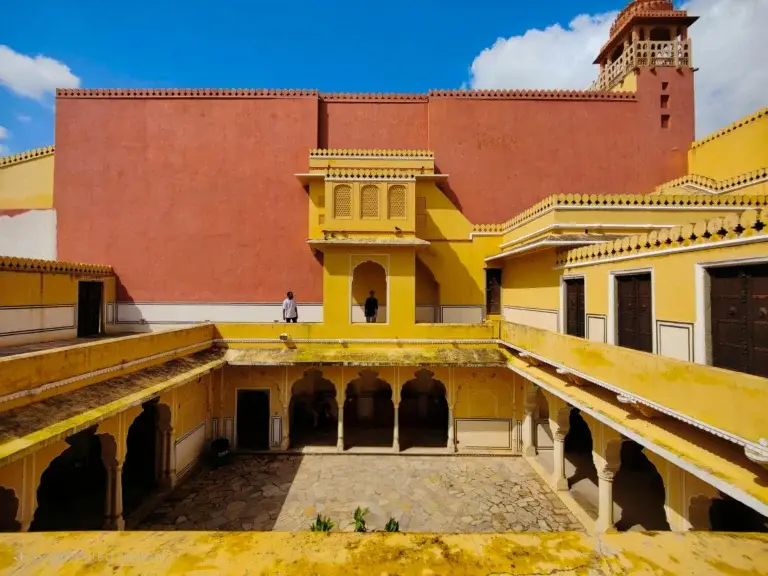
In the heart of Jaipur lies the City Palace, a superb structure that was once the seat of the Maharaja. The palace showcases a perfect mix of Mughal and Rajput architecture, with intricately designed courtyards, gardens, and gateways. Parts of the palace have been turned into museums displaying royal costumes, weapons, and artifacts, while other sections are still home to the royal family. If you want to feel the grandeur of Jaipur, this might be the perfect place for you.
Jantar Mantar
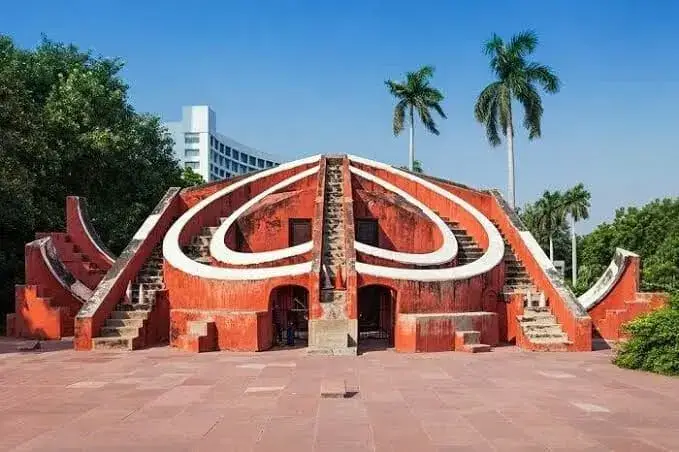
An astronomical observatory, Jantar Mantar is recognized as a UNESCO World Heritage Site. Built by Maharaja Jai Singh II in the 18th century, it houses 19 architectural instruments, including the world’s largest stone sundial. The observatory was designed to study the astronomical movements of celestial bodies with great accuracy. For those interested in science and history, it’s a fascinating reminder of India’s advanced knowledge centuries ago.
From the hawa mahal to jantar mantar, one gets a glimpse of a tiny part of a culture of the royal state. Whether it’s the forts full of history or the walls of our astronomical observatory. It’s just a speck of what is presented to the world. More than that, Jaipur brings to us a combination of history, architecture and culture that one never forgets
Food in Jaipur – A Royal Treat for the Taste Buds
Jaipur is a city where history speaks through every wall painted in rich culture. Its vibrant attractions make it one of the most visited places in India. From royal palaces to unique forts, here are the top four attractions every traveller should explore.
Pyaaz Kachori
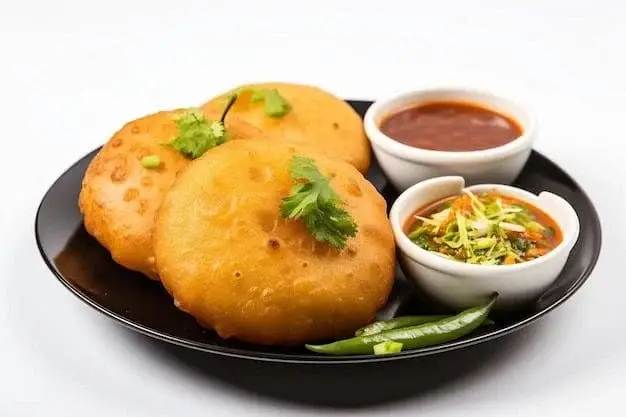
A crispy, flaky snack stuffed with spicy onion filling, found in almost every corner of the city.
Dal Baati Churma
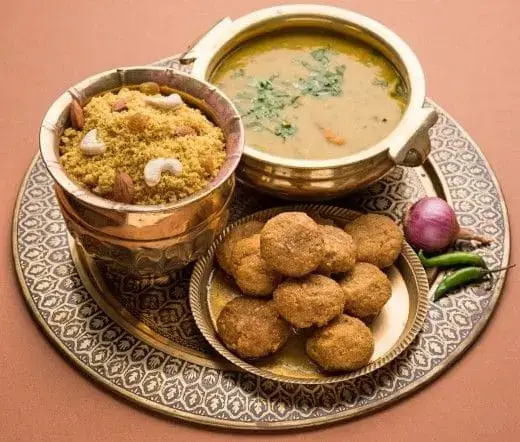
A Rajasthani classic of baked wheat balls served with dal and sweet churma, a must-try for authentic flavors.
Ghewar
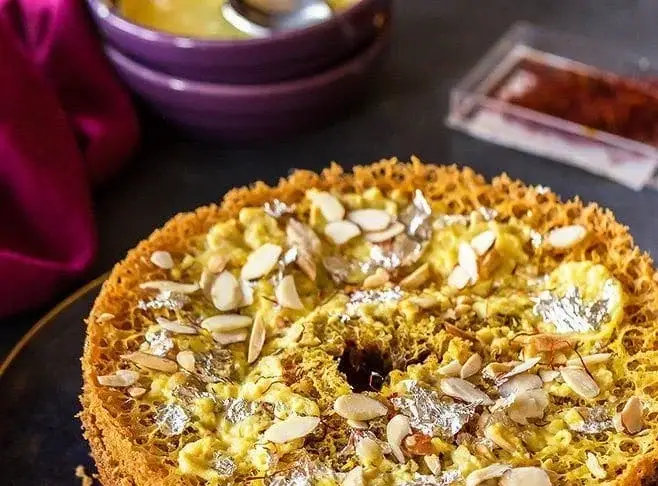
A traditional sweet, especially popular during festivals like Teej and Raksha Bandhan.
Kadhi
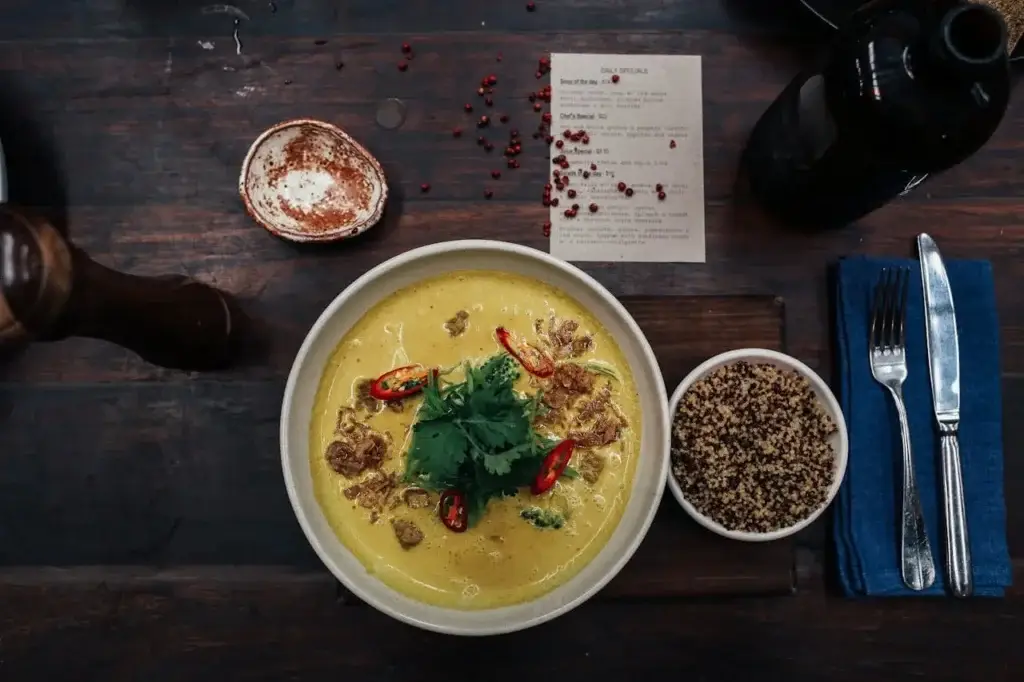
Kadhi is a comforting, tangy, and creamy yoghurt-based curry with gram flour and spices. It’s often enjoyed with rice or pakoras, popular with locals and visitors.
Culture & Festivals in Jaipur
Jaipur is a city which celebrates life with an unmatched color of emotions. Here, festivals are not just events planned, but an unplanned expression of culture, faith & community.
Teej festival
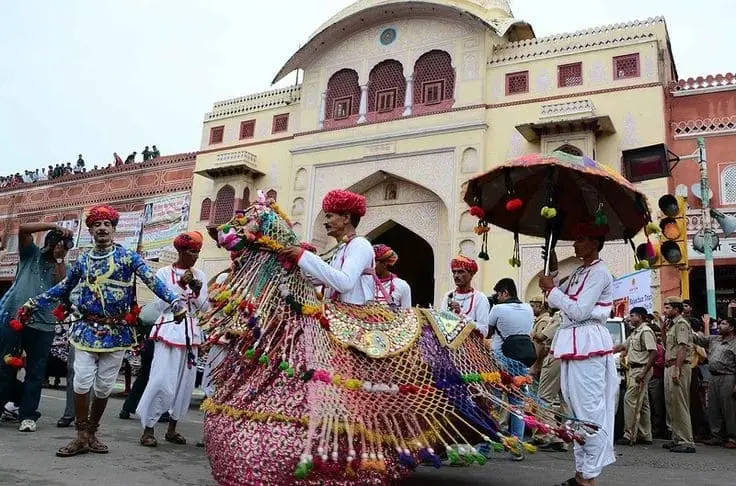
During Teej Festival, the city comes alive with swings decorated for the monsoon season, and women dressed in green sing traditional songs.
Gangaur Festival
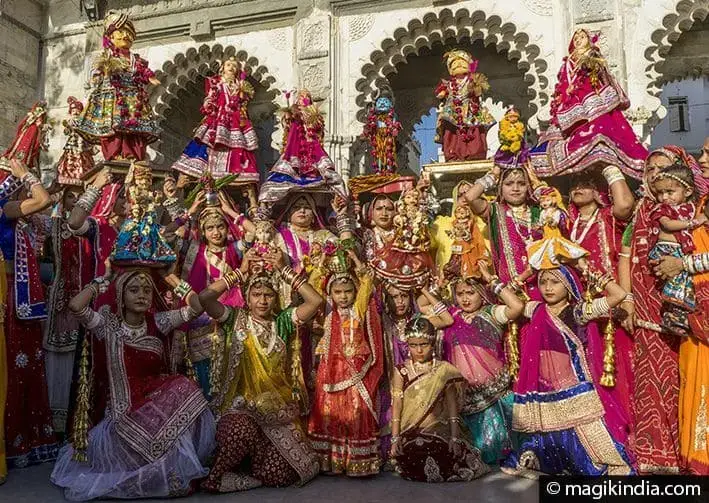
It is another beautiful occasion where women pray to Goddess Parvati for marital happiness, and the streets are filled with vibrant processions.
Jaipur Literature Festival
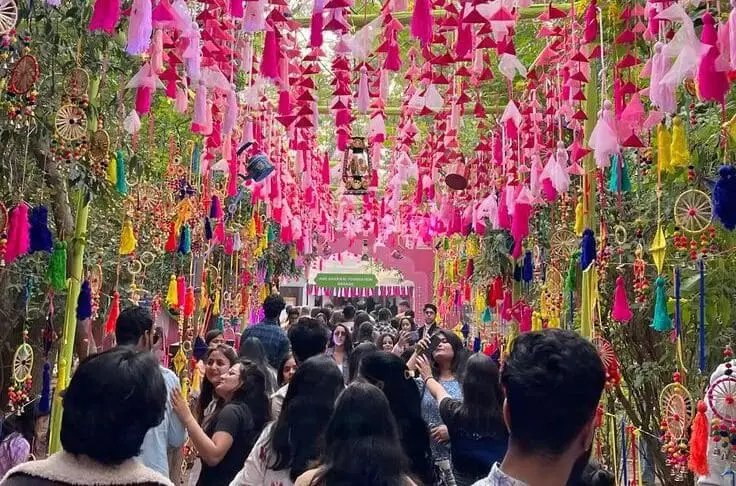
On a different note, the world-famous Jaipur Literature Festival brings authors, thinkers, and book lovers from around the globe.
Makar Sankranti
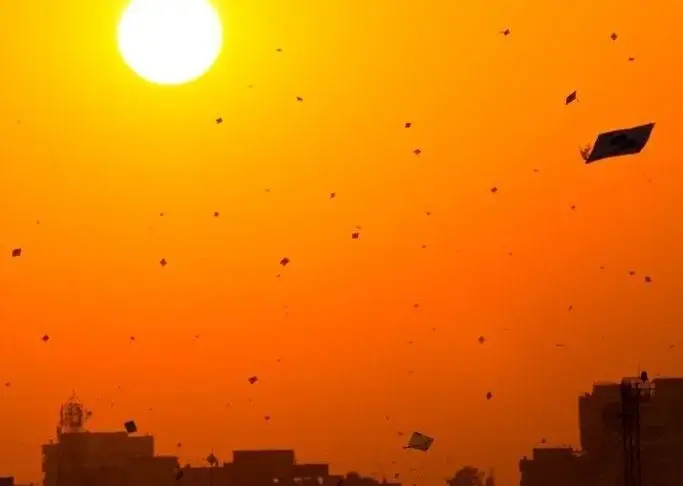
In January, Makar Sankranti paints the sky with hundreds of colorful kites as families gather on rooftops to celebrate.
Each festival adds a different shade to Jaipur’s cultural canvas. Making one’s trip to the pink city more colorful than anything can ever make.
Shopping in Jaipur
No trip to Jaipur is complete without exploring its lively bazaars. Each market has its own character and specialties, making shopping here an adventure in itself.
Johri Bazar
Johari Bazaar is famous for its jewelry and precious gemstones, often dazzling visitors with intricate designs.
Bapu Bazar
Bapu Bazaar is the go-to spot for traditional mojaris, block-printed fabrics, and handicrafts at budget-friendly prices.
Tripola Bazar
Tripolia Bazaar is the place to be for those looking for vibrant lakh bangles.
Chandpol Bazar
If marble carvings or sculptures catch your eye, Chandpol Bazaar offers a treasure trove of artisan work.
Shopping in Jaipur is not just about buying. It’s about experiencing centuries-old craftsmanship.
Experiences in Jaipur
Beyond forts and palaces, Jaipur offers experiences that make your trip truly unforgettable.
Hot Air Balloon Ride
A hot air balloon ride over Amer Fort gives you a bird’s-eye view of the Pink City and its surrounding hills.
Light & Sound Show
In the evening, the Light & Sound Show at Amber Fort narrates tales of kings and queens, bringing history alive under the stars.
Folk Dance & Puppet Show
To enjoy the cultural heartbeat of Rajasthan, catch folk dance and puppet shows, where performances like Ghoomar mesmerize audiences.
Rambagh Palace
For a touch of luxury, staying in heritage hotels such as Rambagh Palace lets you live like royalty while enjoying modern comforts.
Travel Tips for Jaipur
Beyond forts and palaces, Jaipur offers experiences that make your trip truly unforgettable.
To make the most of your trip, a little planning goes a long way.
The best time to visit Jaipur is between October and March, when the weather is pleasant for sightseeing. The city is well connected through Jaipur International Airport, railway junctions, and national highways, making it easy to reach from anywhere in India. Ideally, 3–4 days are recommended to explore the major attractions, enjoy local food, and experience the vibrant culture without rushing. Whether it’s your first time or a return visit, Jaipur promises something new each time you wander through its pink streets.
These experiences ensure that Jaipur stays in your memory long after your trip ends.
One Comment