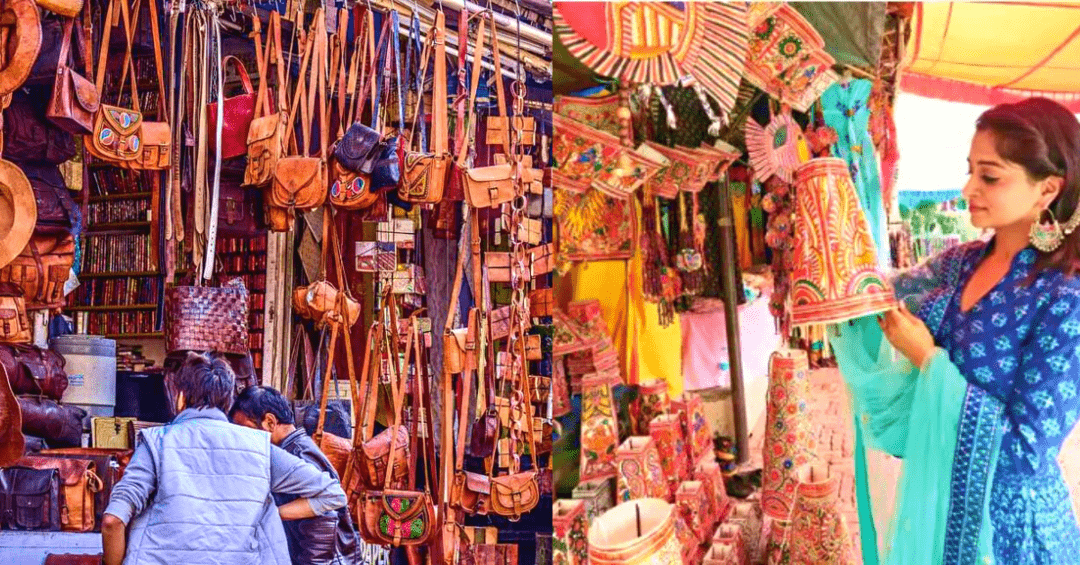
Rajasthan is a treasure trove for shoppers who love handcrafted textiles, metalwork, gemstones and jewelry. While every city has its own charms, a handful of bazaars stand out for quality, variety, and the chance to bargain for memorable pieces. Here’s a short guide to the best markets in Jaipur, Jodhpur and Udaipur, plus tips to shop smarter.
1. Jaipur: the Pink City’s jewelry and craft arteries
Johari Bazaar – crown jewel for jewelry
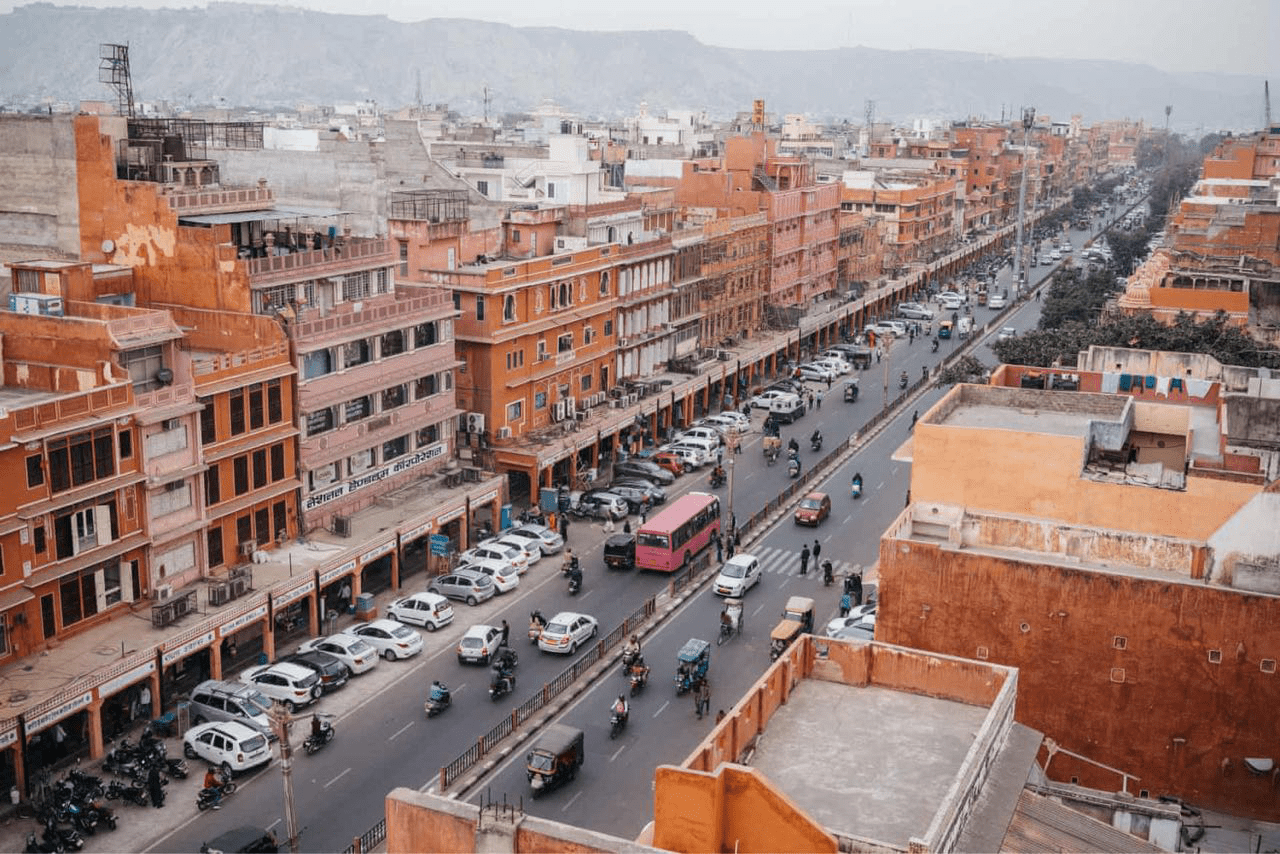
For anyone seeking traditional Rajasthani jewelry, Johari Bazaar is widely regarded as the prime stop. It is located in the walled city and is famous for kundan and meenakari styles—intricate gold or silver settings and enamel work that have a royal look. A travel guide notes that Jaipur is renowned for these styles and that Johari Bazaar offers the best selection of such jewelry.
What to expect: Shops selling gold, silver, gemstone, and costume pieces; artisans often working nearby. Good for heirloom‑style pieces, wedding jewelry, or show‑stopping statement items
Bapu Bazaar – textiles, leather, and more color
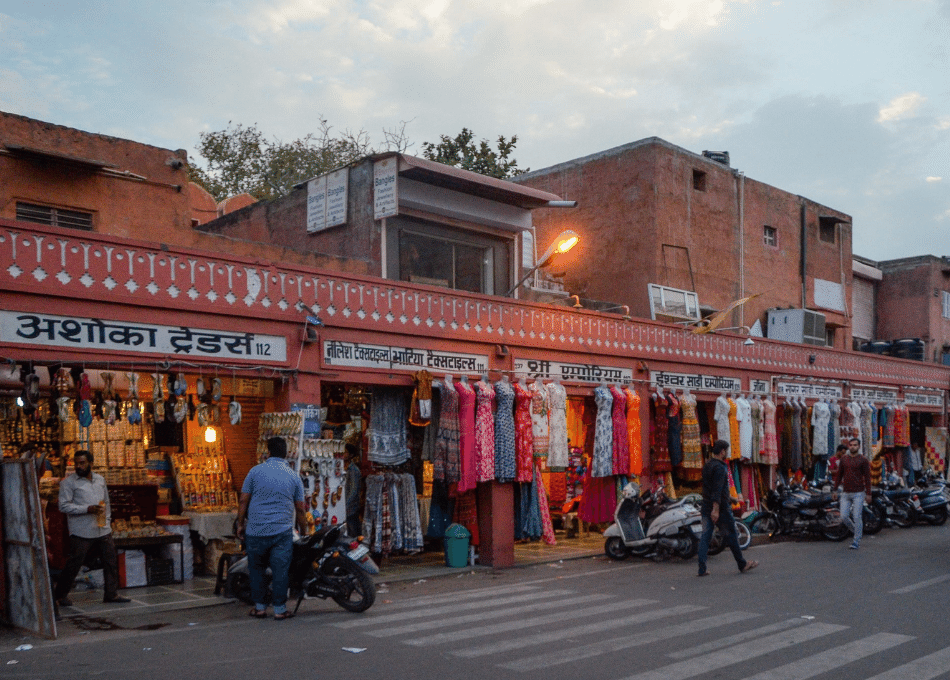
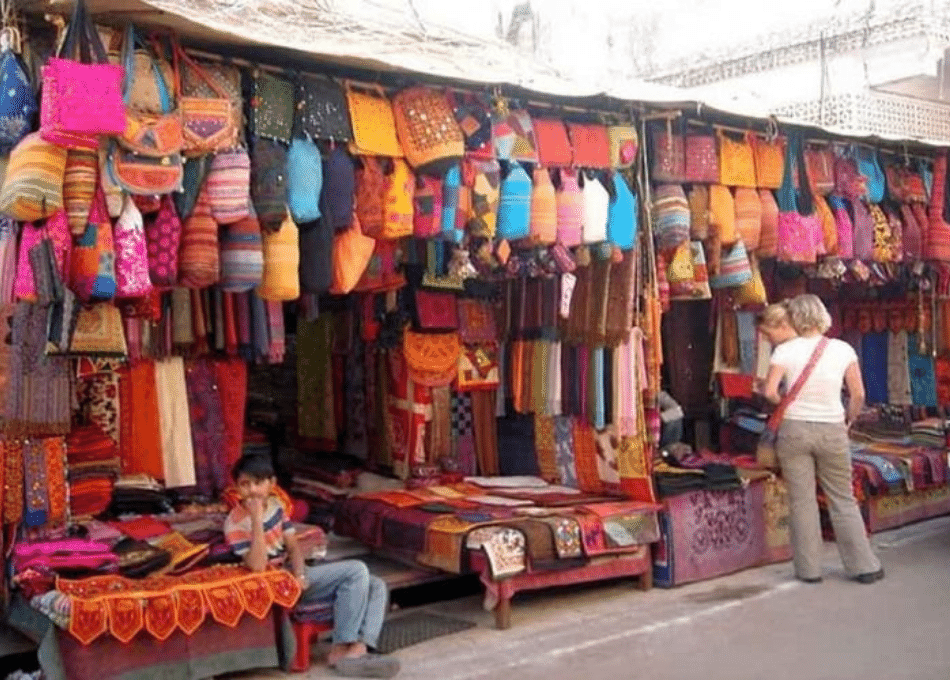
If you want vibrant fabrics, Bandhani tie‑dye, block‑printed textiles, or leather goods, Bapu Bazaar is the best match. A recent market guide highlights Bandhani fabrics, block‑printed cloth, leather handbags and colorful juttis as specialties here.
What to expect: Dozens of shops, bright patterns everywhere, street food nearby. Many shops may offer tailoring/cutting services, so it’s possible to buy fabric and have something made or altered quickly.
Tripolia Bazaar – lac bangles and metalwork
Not far from City Palace, Tripolia Bazaar is famous for traditional lac bangles and a strong offering of metal crafts. The same travel guide describes artisans making colorful lac bracelets and notes the availability of brass, copper, and iron home decor and cookware.
What to expect: Brightly colored bangles, sometimes mirror or bead‑decorated, decorative metalware, souvenir‑friendly items that still showcase local techniques.
Kishanpole and Sireh Deori – broader craft hunt
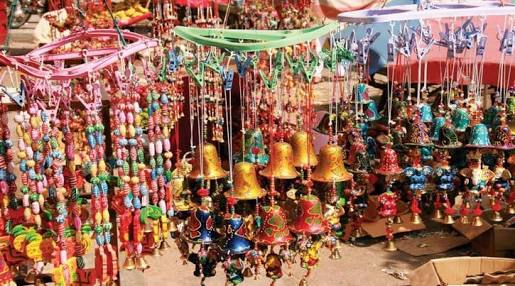
These adjacent areas add depth for shoppers who want to explore beyond the most famous streets. Kishanpole has hundreds of shops with textiles, wood or marble carvings, and embroidered goods. Sireh Deori is known for Jaipuri quilts, camel leather bags and shoes, home decor, and more. Both are ideal for finding gifts or decor items with rich local character
2. Jodhpur: spices, silver, and bustling lanes around the Clock Tower
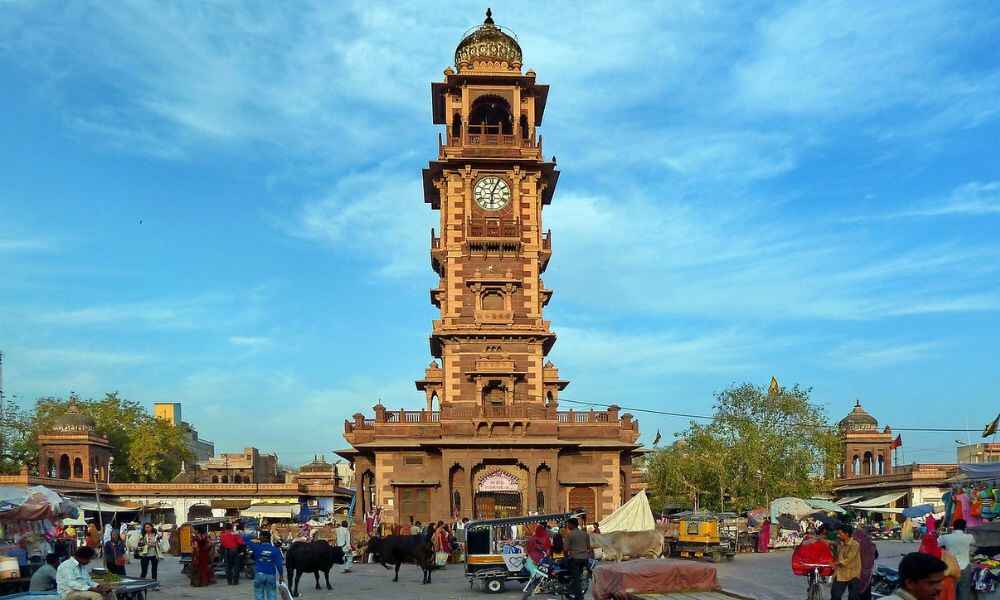
Sardar Market / Clock Tower area – sensory overload and authentic finds. Jodhpur’s central bazaar, around the Clock Tower, is a one‑stop hub for handicrafts, textiles, jewelry, and spices. Local tourist information describes Sardar Market as vibrant and filled with shops offering textiles, antiques, handicrafts, and local produce, giving a true glimpse of daily life and tradition.
What to expect: Narrow lanes packed with stalls, displays of colorful fabrics, piles of spices, and jewelry shops. Strong local flavor, lively bargaining, and lots of photo opportunities
3. Udaipur: relaxed markets with artisan stories
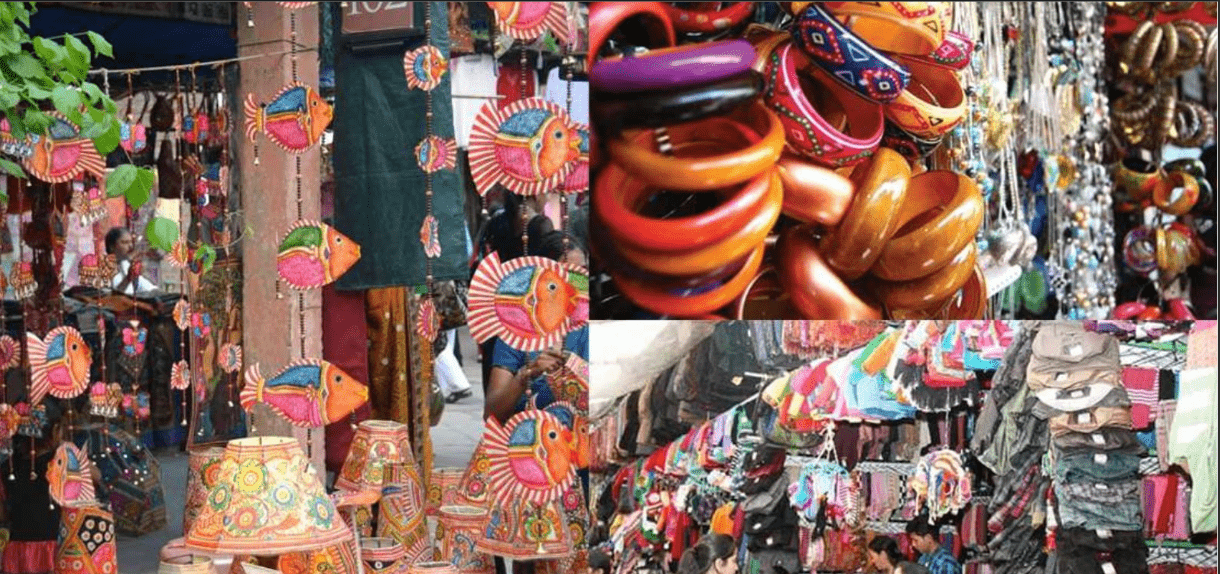
Bada Bazaar – relaxed strolls, silver and bone jewelry, traditional textiles. In Udaipur, Bada Bazaar is recommended for a more laid‑back shopping vibe than some main tourist spots. A recent guide from Taj Hotels describes it as a haven for a relaxed, authentic experience, with shops offering handicrafts, textiles, and jewelry, often run by artisans who share stories about their work
final thoughts
Whether it’s Jaipur’s artisanal jewelry, Jodhpur’s spice‑tinged lanes, or Udaipur’s relaxed crafts scene, Rajasthan’s bazaars deliver both variety and authenticity. Prioritize a few markets on your itinerary—Johari or Bapu in Jaipur, Sardar Market in Jodhpur, Bada Bazaar in Udaipur and spend time comparing pieces. That’s how you’ll leave with treasures that feel special, not just tourist souvenirs